

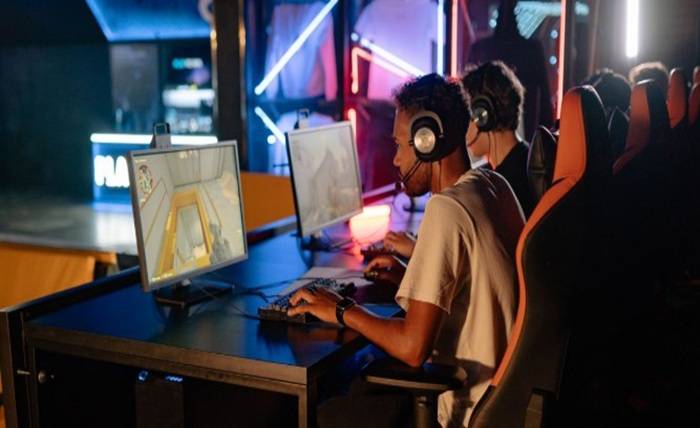
Do you want games to fit your schedule instead of forcing you to fit theirs? Online gaming has changed how people play by making access, timing, and play styles far more flexible than older formats ever allowed.
That flexibility shows up in small, practical ways. People can jump into a quick match during a break, continue a longer session later, or play with others who live in different places without needing everyone in the same room at the same time.
Online gaming also gives players more control over how they spend their time. From short sessions on a phone to longer cooperative sessions on a computer or console, the format makes play easier to shape around daily life.
Play On Your Own Schedule
One of the biggest changes online gaming brings is freedom from fixed play times.
Short Sessions Still Feel Meaningful
Many online games are built around sessions that can last ten minutes or less. That makes it possible to play during a commute, between classes, or after finishing a task at home without setting aside an entire evening.
Longer Progress Can Be Saved And Continued
Online systems often store progress automatically, so players can stop and return later without losing momentum. That feature supports people with unpredictable schedules because they can pick up where they left off instead of starting over each time.
Play Across Different Devices
Flexibility also comes from being able to use more than one type of device.
Gaming Is No Longer Tied To One Spot
Older play habits often depended on sitting in front of a specific screen. Online gaming makes it easier to move between devices, which means someone can play at a desk, on a couch, or while away from home, depending on the game and setup.
Different Devices Support Different Habits
A phone suits quick check-ins, while a larger screen may work better for longer sessions that need more focus. That range gives players choices based on time, comfort, and attention span instead of pushing everyone into the same routine.
That is one reason topics around flexible play often mention formats such as slot88, since online access itself is what allows play to happen in more than one place and at more than one pace.
Play With Other People More Easily
Another major shift is how online gaming removes many of the old barriers around playing together.
Distance Stops Being A Major Problem
Friends no longer need to live nearby to share a game. Online connections let people join the same session from different cities or countries, which makes social play easier to maintain over time.
Asynchronous Play Adds More Freedom
Not every online game requires players to be active at the same moment. Some systems let people take turns, leave updates, or contribute progress at different times, which works well for busy schedules and different time zones.
Choose The Style Of Play That Fits
Flexibility is not just about timing. It also includes the kind of experience a player wants on a given day.
Competitive And Relaxed Modes Can Coexist
Many online games offer multiple ways to play, from ranked matches to casual sessions. A player can choose a high-focus challenge one day and a low-pressure activity the next, without leaving the same wider platform or community.
Solo Play Still Works In Online Spaces
Online gaming is often social, but it does not force constant interaction. Plenty of players use connected features for updates, saves, or optional events while still spending most of their time playing alone.
Adjust Pace, Commitment, And Goals
Online gaming also gives people more control over how deeply they want to get involved.
Players Can Set Their Own Rhythm
Some people log in every day for small tasks, while others play only on weekends for longer sessions. Online systems support both patterns by allowing progress to build over time instead of demanding one rigid level of commitment.
Goals Can Be Personal Instead Of Fixed
One player may focus on skill improvement, another on social interaction, and someone else on collecting items or finishing story content. Flexible online structures let those goals exist side by side, which helps more people enjoy play in ways that suit them.
Updates Keep Play Options Open
Connected games can change over time, which often creates fresh ways to play without changing the basic access point.
New Modes Can Refresh Old Habits
Developers can add seasonal events, alternate rules, or limited-time challenges that give players a reason to return in a way that matches their mood and available time. That keeps play from feeling locked into one pattern.
Accessibility Settings Often Improve Over Time
Online updates can also add control options, interface changes, and quality-of-life features after release. Those adjustments help more people play comfortably, which is another form of flexibility that matters in daily use.
That ongoing adaptability is a big reason online gaming continues to feel practical for many people: it can change with player habits instead of expecting player habits to stay fixed.